HOW DOES IT WORK?
The workshop program of EARTHBOUND 2025 offers six parallel workshops that invite participants into immersive, sensorial encounters with soil, water, microbes, and mud – exploring themes of interdependence, grief, ritual, and more-than-human storytelling. Each participant joins one workshop, which continues over the course of the three days to allow for deeper engagement through embodied knowledge, ecological intimacy, and creative practices.
Participants who are only attending one or two days of the symposium are also welcome to join a workshop and take part in the collective explorations.
In addition to the workshops, each participant will be part of a small Reflection Group, and these groups will also meet daily. This offers space for shared dialogues in a more intimate group, where cross-pollination between workshop experiences can happen.
All participants will be contacted via e-mail in August to choose a workshop.
WORKSHOPS

Merging with Soil
With Dovilė Railaitė and Eglė Pundzevičiūtė
We invite you to become both spectator and actor, as we dive deeper into soil to dream along its soundscapes. How can sound introduce us to life below? What is the role of water in its ecosystem? Soil is a dark matrix, impossible to see – we will close our eyes, take a mic, and, for a moment, silence the conscious. We will welcome mutual otherness by listening. A science-based narrative will guide us down below. Through tactility of clay we will merge with the earth on which we stand and where death turns to life. We will reflect on how personal experiences and ways of listening can be incorporated into the academic study of nature.

Dovilė Railaitė
Dovilė Railaitė, LT (she/her) is an emerging soil scientist and experimental educator. For her, one of the most crucial roles of our generation is saving the world’s soil. She views this challenge not only from a technical point of view, but also from fostering human contact with the underground.

Eglė Pundzevičiūtė
Eglė Pundzevičiūtė, LT (she/her) nurtures the exploration of alternative knowledge systems. She uses tactility, rhythm and image, in both collective creation activities and personal work, to map the relation between old and new narratives of co-existance. Her aim is to connect, she asks – how?

Grieving as a Way of Life:
Re-Learning Grief from the Soil and Water Entanglements of Peatlands
With Bethany Copsey and Moss Berke
Peatlands defy borders between soil/water and life/death. Melding soil science and eco-poetics, we work against categorical thinking to ask how peatlands may help us approach eco-grief differently. We first explore boundaries defied by peatlands, looking at how categorical systems extend colonial patterns. We then ask how entanglement may help us think differently about eco-grief, using a series of poetic exercises to generate connection through grief. These embodied practices deepen ecological connection and refuse to accept that death results in an unbreachable divide. Lastly, we will use these practices to enact ephemeral, site-specific landart.

Bethany Copsey
Bethany Copsey, NZ/NL (she/her) is a soil scientist, activist, creative practitioner, writer, and member of the collective RE-PEAT. She is interested in the ways we can be closer with soil, particularly peat soils, through science, environmental humanities, embodied practices, gardening, multisensorial education, and more.
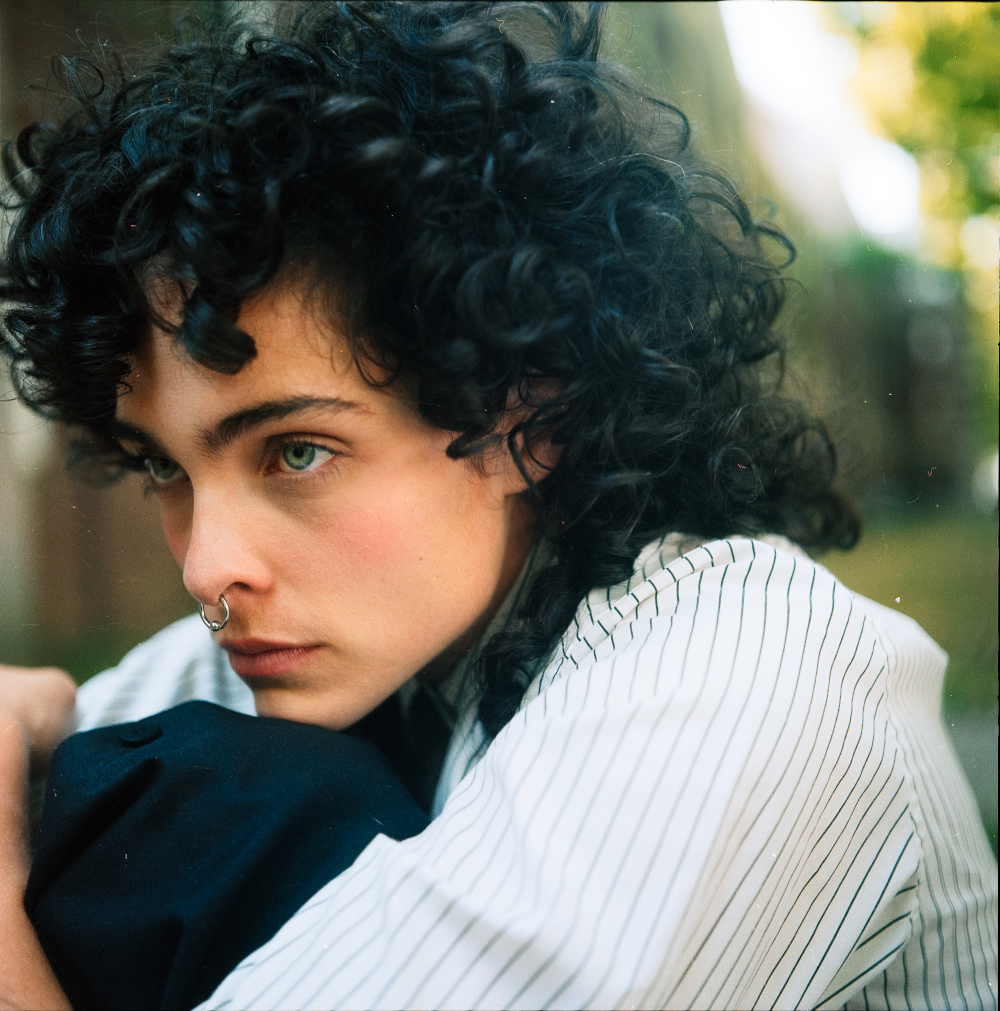
Moss Berke
Moss Berke, US/IT (ambivalent pronouns) is a writer, researcher, artist and griever. Moss’ artistic practice and research concerns eco-poetics, landart, peatlands, eco/queer temporalities, queer death studies and the expansive and disruptive potential of ecological grief. She is a member of RE-PEAT collective, where she designs workshops, researches, and organizes multidisciplinary exhibitions.

The Imprint Exercise
With Ingrid Tranum Velásquez and Anja Mølle Lindelof
Encountering the materials of a landscape, this workshop investigates the traces we leave behind. The imprints and remains of our movements are revealing, and the traces hold valuable knowledge about the habitual choreography of our material encounters. Together we unfold the knowledge that is enscripted in our traces made in and on landscapes: Personal stories. Collective relations. Shared consequences. Entering a deep state of sensing, we transform this into a score, a score of our intentions, as we improvise with ritualistic compositions, searching for the truly shared dance: Of soil, water, mud, clay, bones, skin and flesh.
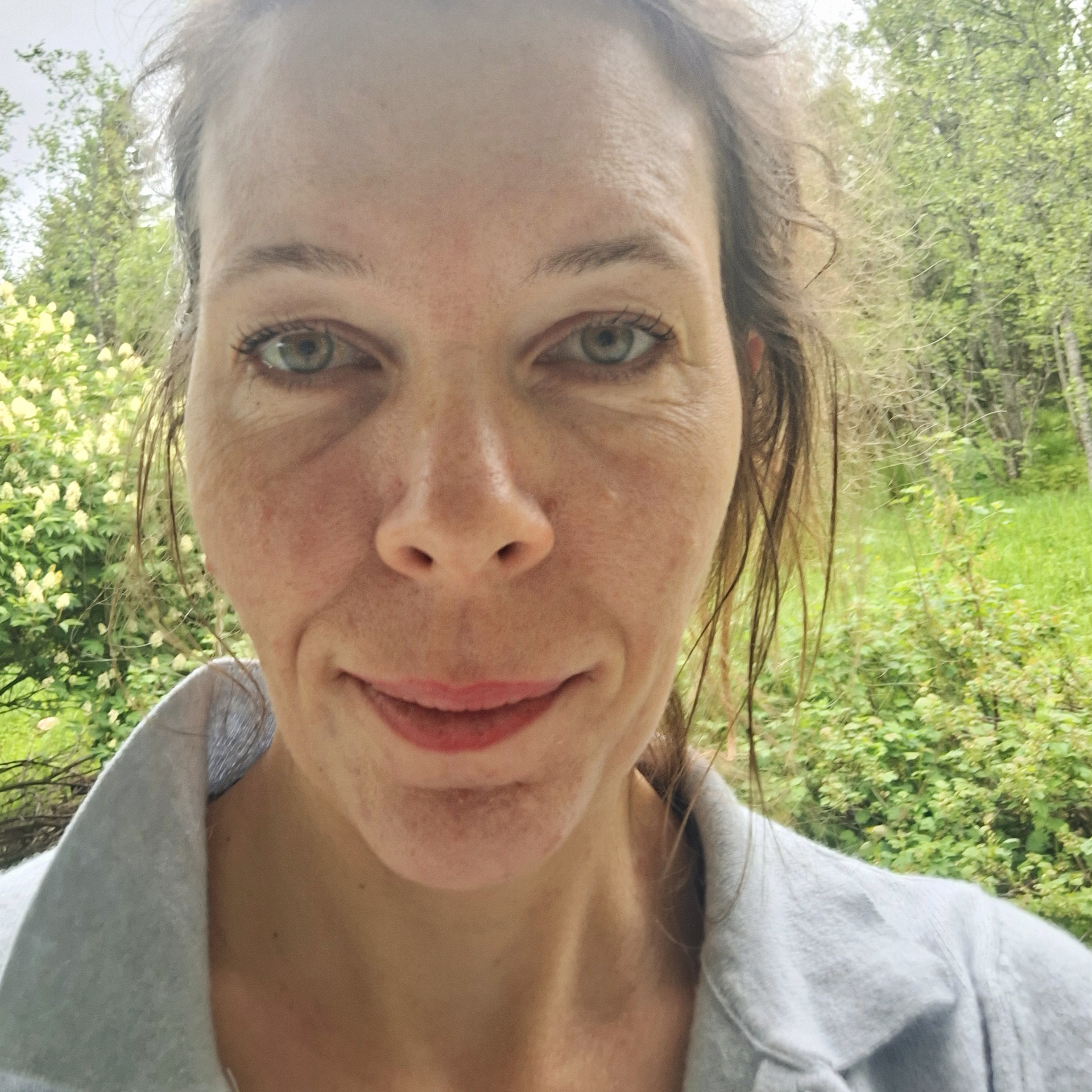
Ingrid Tranum Velásquez
Ingrid Tranum Velásquez, DK (she/her) is a choreographer, movement artist and artistic leader of NextDoor Project. Ingrid creates choreographic art and art interventions based on radical co-creation and a socio-poetic practice concerned with the transformative potential of choreography to awaken the collective body and open visions of alternative realities.

Anja Mølle Lindelof
Anja Mølle Lindelof, DK (she/her) is a communication scholar with special interest in non-verbal communication and performance design. She works practice based often through radical participatory processes. She is concerned with the transformative power of performance and how rituals unfolding inside and outside established institutions foster social and material change.
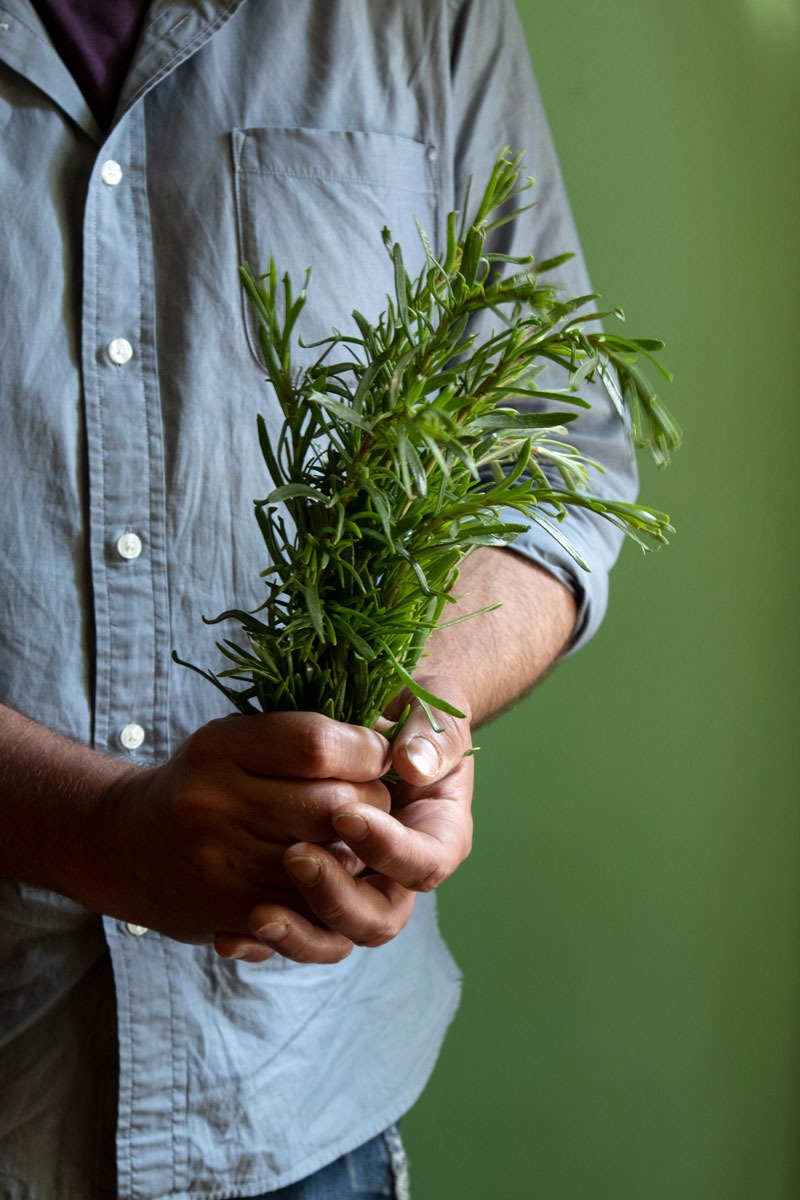
Microbial Poetics:
Worlding through words, and beyond
with Tiff Mak and Katinka Versendaal
Life on this planet began microbially. Multicellular life emerged through microbial symbiosis, and continues to expand through interdependence and co-metabolic relations. Yet, much of modern human society seems to have defaulted to a way of being that disaggregates the very structures supporting life; that is defuturing. Language, and the way we use it, has intimate consequences to our behaviours and values. By drawing inspiration from the entangled microbial and planetary relations, and interweaving pluriversal design methods, this workshop seeks to develop Microbial Poetics as a way to reimagine communication and a method for refuturing.

Katinka Versendaal
Katinka Versendaal, NL (she/her) is a designer/researcher who uses speculative gastronomy as a tool to uncover the interwoven relations between humans, natural entities and more-than-human beings. Through artistic research, installations and food experiences, she works on multispecies conviviality, and strives for regenerative and just futures of food.

Dr. Tiff Mak
Dr. Tiff Mak, DK (they/she) works at the intersection of Microbial Ecology, Fermentation and Integrated Food Systems. Their research focuses on living systems and the relationality of beings across scales, from the microbial to the planetary, and brings together situated knowledges alongside more-than-human perspectives through exploring microbial food ecologies.
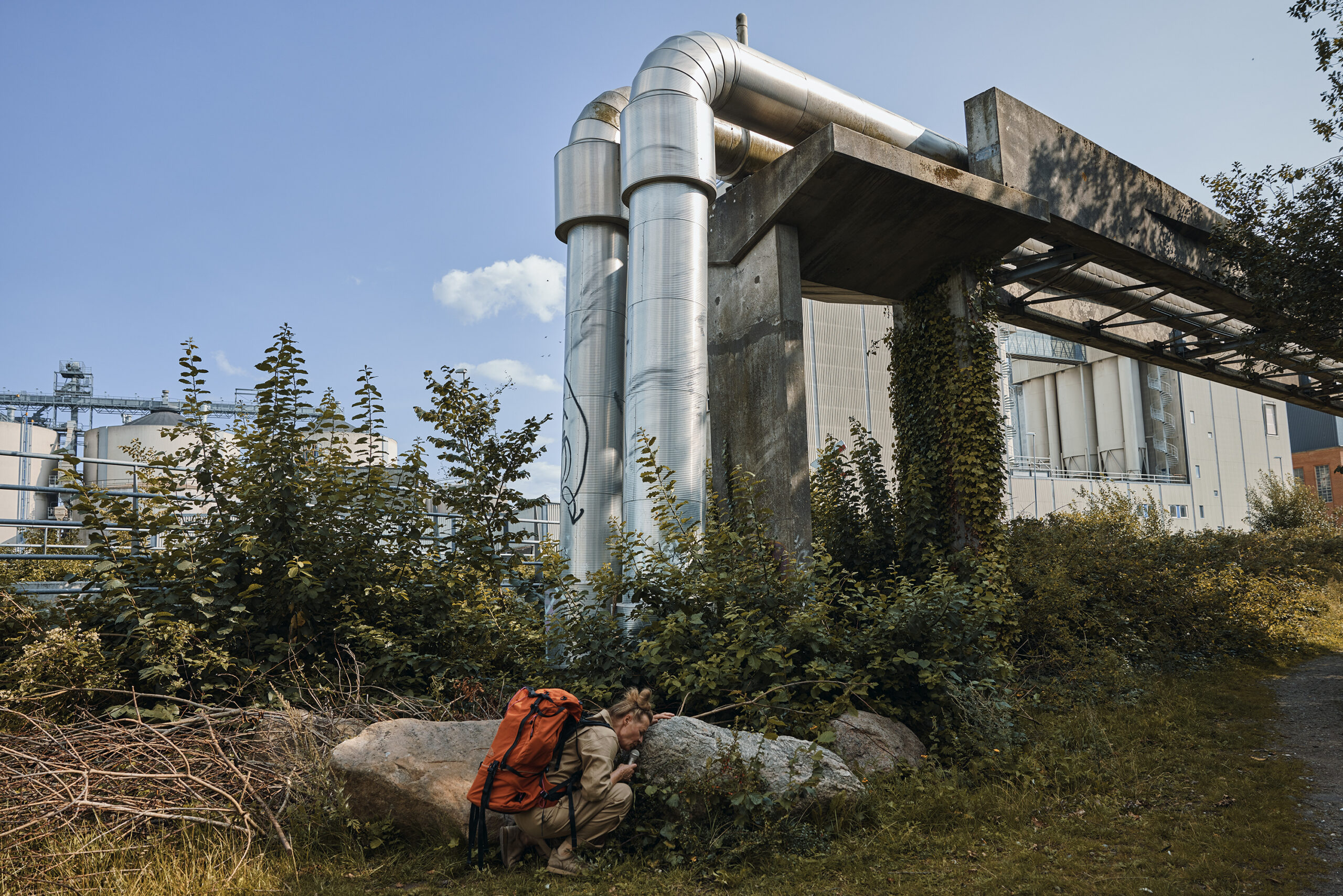
Rituals for The Future
– Collaborations with Soil and Water
With Katrine Faber and Dorthe Refslund Christensen
This workshop holds space for a joint investigation of sensuous, immersive ways of being with each other and with non-human agents. We will create rituals together in an open-ended examination of what it means to be living breathing entities in and of this world. What calls for ritualization? Certain life events? Callings from the earth? Together we explore how we can listen to these voices and ritualize them in playful and vulnerable ways based on our bodies, voices, experiences and sensuous communication. We dive into the world of materialities and agencies and lean into the wordless and the unknown and work practically and reflectively.

Dorthe Refslund Christensen
Dorthe Refslund Christensen, DK (she/her) is an associate professor at Aarhus University. Her research interests include ritualizations of life and identity in relation to loss and the everyday. She is particularly interested in how we can share vulnerabilities with known and unknown others through aesthetic ways of being and how we can embrace crisis through rituals. She is also a ceramic artist.
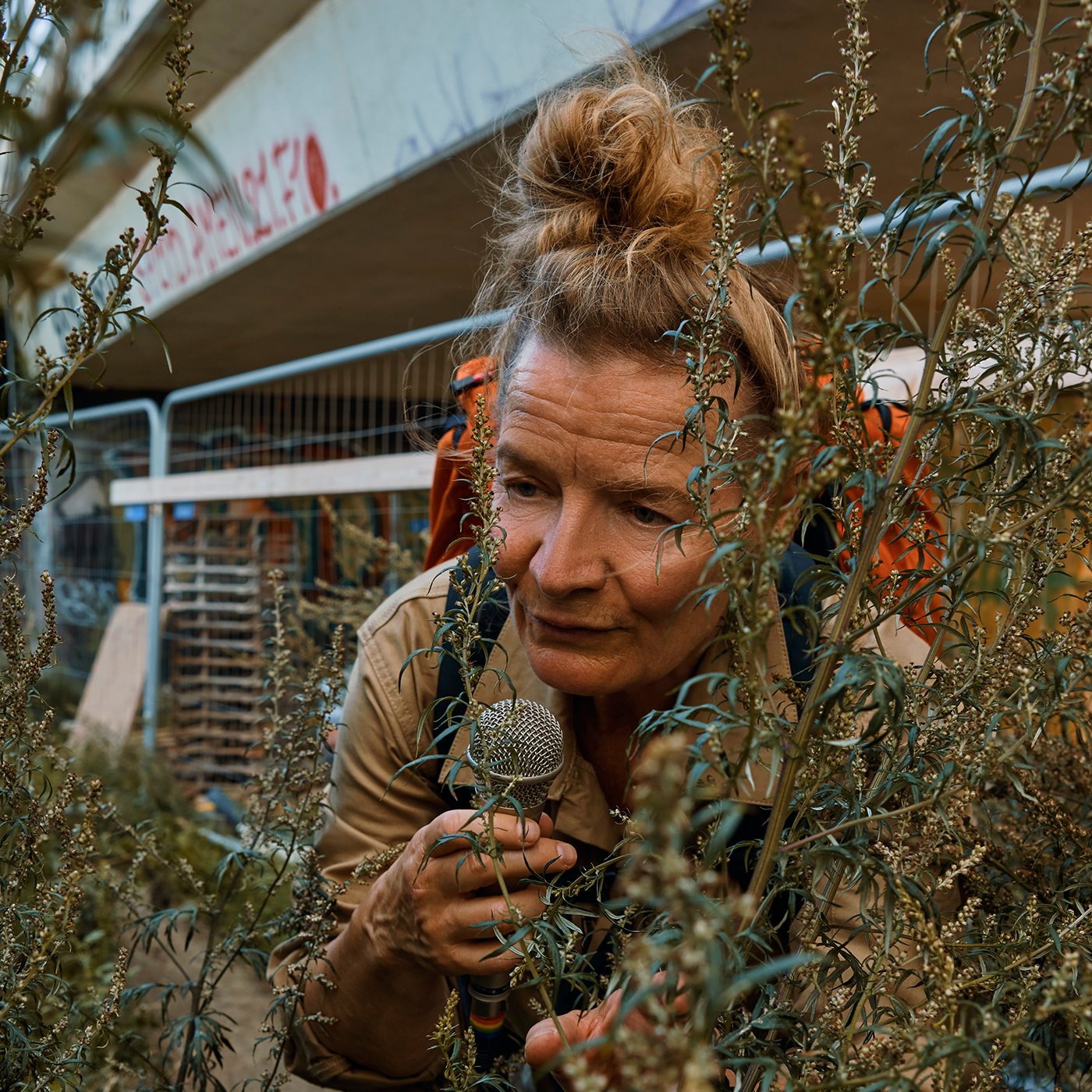
Katrine Faber
Katrine Faber, DK (she/her) is a multidisciplinary performance artist and artistic director of Teater Viva, creating sensuous spaces for meeting ourselves, each other and our living environments in an extended resonance. Since 2015 with the cross art Singing Our Place, which invites humans and the more than human into a mutual investigation of our common future. www.teaterviva.dk

blub: listening to water’s murmurs
with Susana Ojeda and Zuzana Ernst
An immersive workshop that explores water as a being of knowledge—one that we are both part of and shaped by. We invite participants to explore water’s wisdom through sensory engagement, deep listening, dreams and speculative practices. Inspired by marine mammals’ echolocation, we will experiment with vibrations to connect with water beyond language. Together we’ll co-create practices of reciprocity and listen for hums that we have forgotten how to hear, holding space for grief and resilience in response to extractivist and colonial disruptions of water bodies and beings.
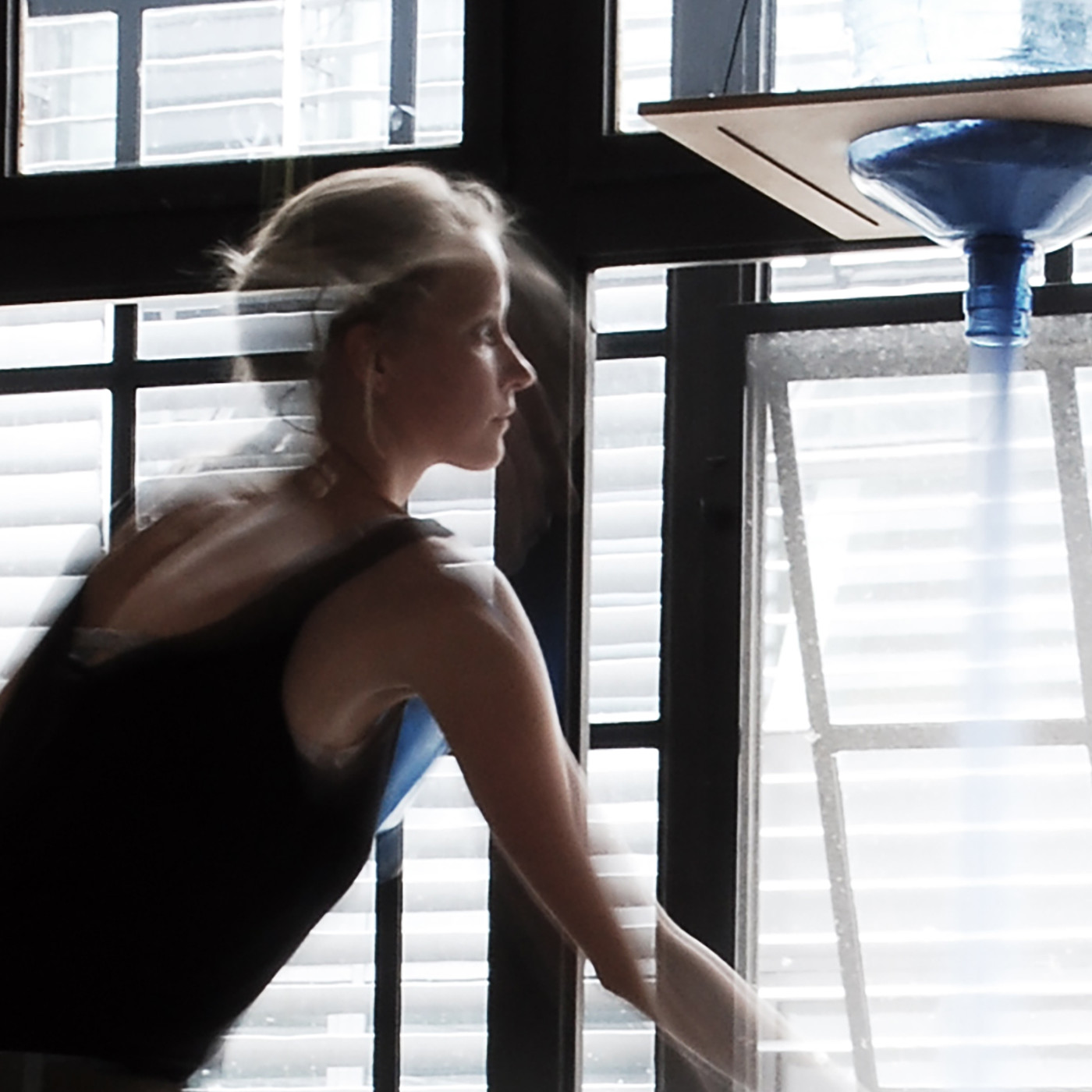
Zuzana Ernst
Zuzana Ernst, SK/AUT (she/her) is a transdisciplinary artist, researcher, curator, and former swimmer exploring deep listening as a relational and political method in art. She works at the intersection of artistic research, performance, and co-creation. Zuzana is a co-founder of D/Arts, curator at Brunnenpassage ArtSocialSpace in Vienna, and PhD student at the doctoral program Cultures in Transformation at the Mozarteum and University of Salzburg.
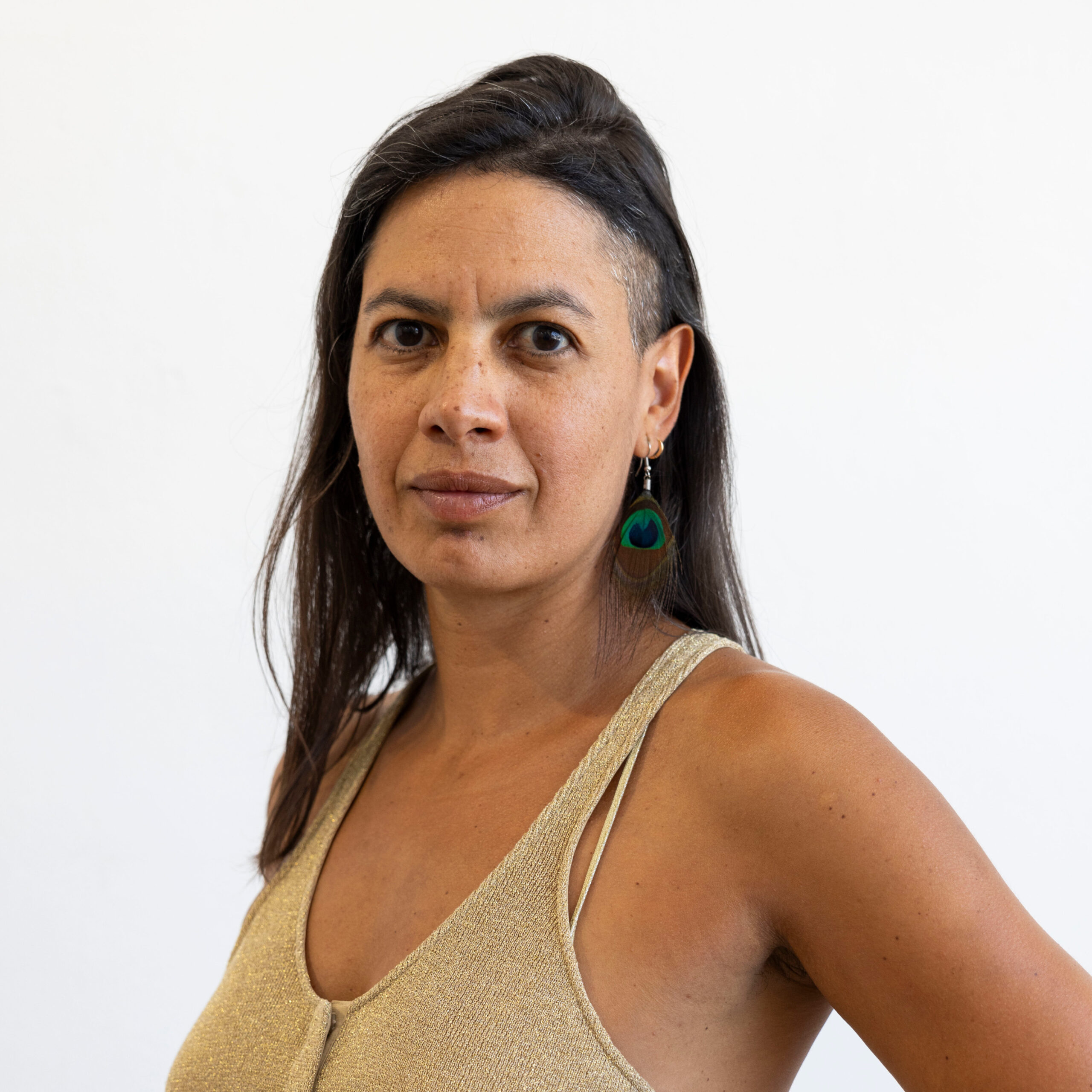
Susana Ojeda
Susana Ojeda, COL/AUT (she/her) is an artist, filmmaker, anthropologist, and activist focused on decolonial and ecofeminist issues. She explores art-activism through films, installations, workshops, and rituals, reconnecting humans with more-than-humans and honoring ancestral knowledge. Since 2023, she has been a board member of the Association of Austrian Women Artists (VBKÖ).
 English (UK)
  Dansk
Dansk